
Episode 472: High Clarity, High Performance: Billy Armstrong | Part 1
Episode 472: High Clarity, High Performance: Billy Armstrong | Part 1
Podcast available on: iTunes | Spotify | YouTube
Billy Armstrong hasn't just won four state championships in six years. He's become, in his own words, a completely different human being. Three years after his first appearance on the podcast, the Bergen Catholic head coach returns for part one of a two-part conversation to unpack the internal work behind his program's sustained success.
Every fall, coaches walk into a gym they have walked into a hundred times before, and something feels different. Not the players. Not the schedule. Something in how they are carrying the season.
That thread runs through this conversation with Billy Armstrong, the head coach at Bergen Catholic, who has won four state championships in the last six years. He is not here to talk X's and O's. He is here to talk about the internal work that made the external results possible: trading a hidden self-improvement journey for total openness with his players, moving from standing over his team to standing shoulder to shoulder with them, and learning that avoiding hard truths to protect a player's feelings was its own form of harm.
If you have ever felt the gap between the coach you are and the coach you want to become, this one is worth the full hour, and part two picks up right where it leaves off.
TOC 3-2-1
3 QUOTES WORTH WRITING DOWN
"We don't have control over outcomes and results in life. We have control in practice. When we get to the games, it's an illusion of control."
— Billy Armstrong
"There's a difference between important and special. The games are important, practice is important, your schoolwork is important. But the relationships we form within our program, if they're lifelong relationships, that's special."
— Billy Armstrong
"Because of this, something good will happen."
— Billy Armstrong
2 QUESTIONS FOR YOUR TEAM
Q1: Where in your coaching have you been standing over your players instead of standing shoulder to shoulder with them?
Q2: Is there a hard truth you've been withholding from a player to protect their feelings, and what might it cost both of you if you keep waiting?
1 RESOURCE TO GO DEEPER
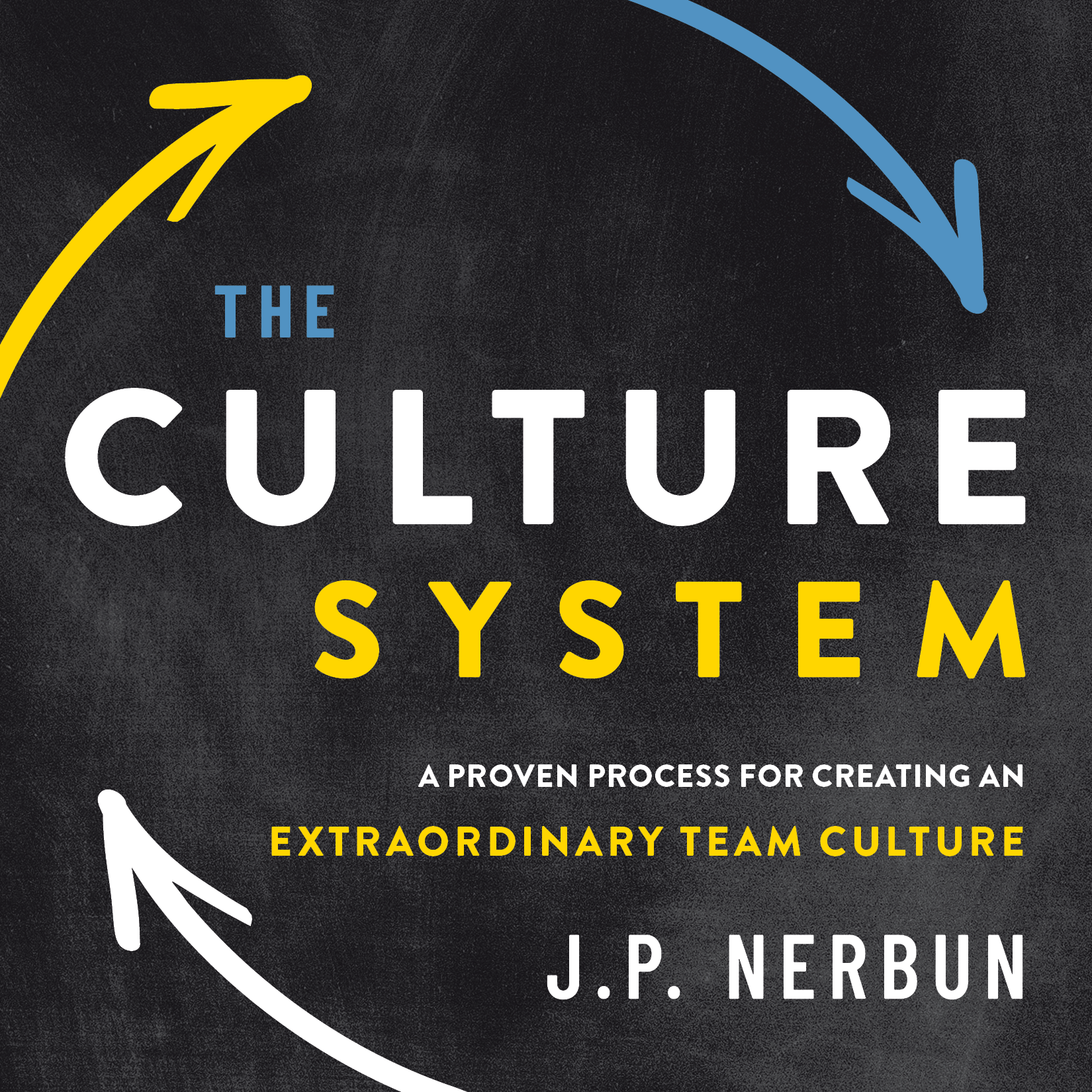
The Culture System by J.P. Nerbun
Billy's TCC values- trust, care, and commitment- mirror the culture system framework JP outlines in this book: clear standards, built and reinforced on purpose. If Billy's description of building something that outlasts him resonated, this is the field guide.
KEY TAKEAWAYS
The Real Change Was Internal, Not Strategic. Billy's biggest transformation over the past several years has nothing to do with X's and O's. He describes becoming calmer, gaining emotional control, and moving from a coach who used to lash out to one who can take feedback without getting defensive, a shift he credits more than any scheme change for his program's sustained success.
From Hidden Journey to Open Book. Early in his career, Billy hid his own growth and self-improvement work from his players, even changing aisles at the bookstore to avoid being seen in the self-help section. Now he opens practices by sharing what he's reading and working on himself, modeling the same growth he asks of his players.
Coach Shoulder to Shoulder, Not Standing Over Billy describes the biggest shift in his coaching style as moving from standing over his players, dictating from a position of authority, to standing shoulder to shoulder with them, literally watching film side by side. That posture change, being vulnerable about his own mistakes rather than only pointing out theirs, has made coaching more enjoyable and made players more receptive to being challenged.
High Clarity Equals High Performance. After a locker room explosion three years ago following a heartbreaking playoff loss, a player told Billy he didn't tell me, coach, about being unhappy with his role all season. That comment taught Billy that withholding hard truths to protect a player's feelings does more harm than good, and he has spent the years since working to be crystal clear with players well before frustration boils over.
Protecting Culture Means Separating the Person from the Choice. Billy has learned to stop taking player accountability personally by reminding himself that players make their own choices, and his job is to protect the program's standards, not control the outcome. That mental separation, paired with lessons from veteran coaches about not reacting right away, has replaced his old knee-jerk defensiveness with the ability to actually learn from tough feedback.
Serious Fun Replaced the Pressure to Perform. After a sophomore's offhand comment, this is a lot, Billy scrapped an entire overcomplicated offensive system mid-season and rebuilt the year around two simple objectives: get better and have fun. The result was a team that embraced pressure instead of tightening up under it, guided by what Billy now calls serious fun.
ACTION ITEMS FOR LEADERS AND COACHES
SEPARATE THE PERSON FROM THE CHOICE
The next time a player's behavior frustrates you, remind yourself out loud that they made a choice you didn't control. Respond to the choice, not the person.
SHARE ONE THING YOU'RE WORKING ON
Open your next practice by telling your team one book, podcast, or idea you're personally working through right now, out loud, no filter.
NAME THE HARD TRUTH YOU'VE BEEN WITHHOLDING
Identify one player or situation where you've avoided being fully clear to protect someone's feelings, and have that direct conversation this week.
STAND SHOULDER TO SHOULDER
In your next film session or one-on-one conversation, physically position yourself next to your player rather than standing over them, and admit one mistake of your own before pointing out theirs.
Get notes and tools at tocculture.com | Join TOC Coach — community, courses, and live coaching | Better Coaches. Better Leaders. Better Culture.
