
Episode 476: Building Autonomy On and Off the Sand: Lessons of Shared Ownership
Episode 476: Building Autonomy On and Off the Sand: Lessons of Shared Ownership
Podcast available on: iTunes | Spotify | YouTube
Culture talk is everywhere in coaching right now, but a lot of it stays abstract. What most of us actually want are the mechanics: what to say when a player misses a standard, and how to get an entire roster to own the culture instead of just nodding along to it.
This is part two of JP's conversation with John Mayer, head coach of LMU beach volleyball. John gets specific about the systems he runs on the sand and off it: battle buddies, a competitive cauldron, and culture committees that hand players real responsibility instead of a title.
If you want a concrete blueprint for building shared ownership rather than compliance, this conversation delivers it.
TOC 3-2-1
3 QUOTES WORTH WRITING DOWN
"You don't know till you go."
— John Mayer
"Autonomy doesn't mean anything goes. The coach is there to organize and cultivate choices."
— John Mayer
"If I just put all that on the board, it becomes wallpaper. But when it's their ideas, when it's their discussion, when it's meaningful to them, it becomes living."
— John Mayer
2 QUESTIONS FOR YOUR TEAM
Q1: Where in your program could you hand players a real decision this week, big or small, instead of making the call for them?
Q2: Do your players have a peer, a 'battle buddy,' checking in on their effort and focus in real time, or is that feedback only ever coming from you?
1 RESOURCE TO GO DEEPER
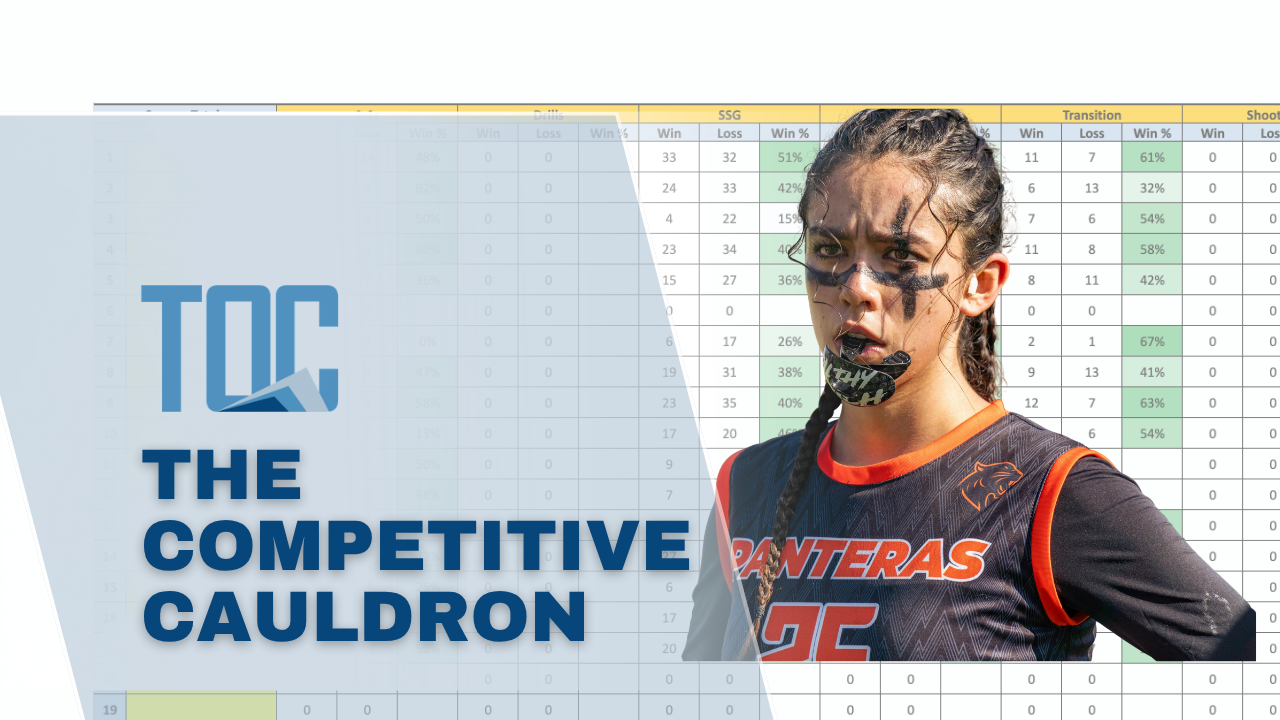
The Competitive Caulderon Course in TOC Coach
The tracked, ranked competitive drill system John references as the model behind his own program's daily competitive tracking. It raises intensity through visible standings rather than punishment.
KEY TAKEAWAYS
Catch people doing it right, publicly. John's staff looks for moments to affirm effort in front of the group rather than only calling out mistakes. Team phrases like 'you don't know till you go' give players a story to chase instead of a rule to avoid breaking.
Curiosity beats the hammer. When a player misses a standard, John's first move is a curious question, not a punishment. Asking what happened instead of assigning a consequence keeps the conversation focused on solving the problem rather than defending against blame.
Battle buddies put accountability in players' hands. Players set a daily intention tied to a personal value, then check in with a partner throughout practice. The peer relationship normalizes feedback as a daily habit instead of something that only shows up when a coach is upset.
Culture committees turn ownership into structure. Every player sits on a culture, health and wellness, or academic outreach committee, with players voting on their own leaders. The committees run real tasks, like welcoming recruits or planning team activities, not symbolic ones.
Autonomy is a skill the coach has to cultivate, not surrender. Giving players a voice doesn't mean removing structure. John curates a set of good options and lets players choose within that frame, on everything from book club picks to practice focus for the day.
Focus on what you can adapt to, not what feels unfair. Recruiting and resource gaps at a mid-major program are genuinely outside John's control. His approach is to let himself complain briefly, then move straight to the question of what he can actually do next.
ACTION ITEMS FOR LEADERS AND COACHES
START A 'CATCH THEM RIGHT' HABIT
This week, publicly name one player doing the standard well, in the moment, in front of the whole group.
PAIR UP BATTLE BUDDIES
Assign practice partners this week whose job is to check in on each other's effort and intention, not just their skill execution.
ASK BEFORE YOU PUNISH
The next time a player misses a standard, open with a genuinely curious question instead of a consequence, and actually listen to the answer.
HAND OVER ONE REAL DECISION
Let your team vote on one genuine choice this week, whether it's big or small, and honor whatever they decide.
Get notes and tools at tocculture.com | Join TOC Coach — community, courses, and live coaching | Better Coaches. Better Leaders. Better Culture.
