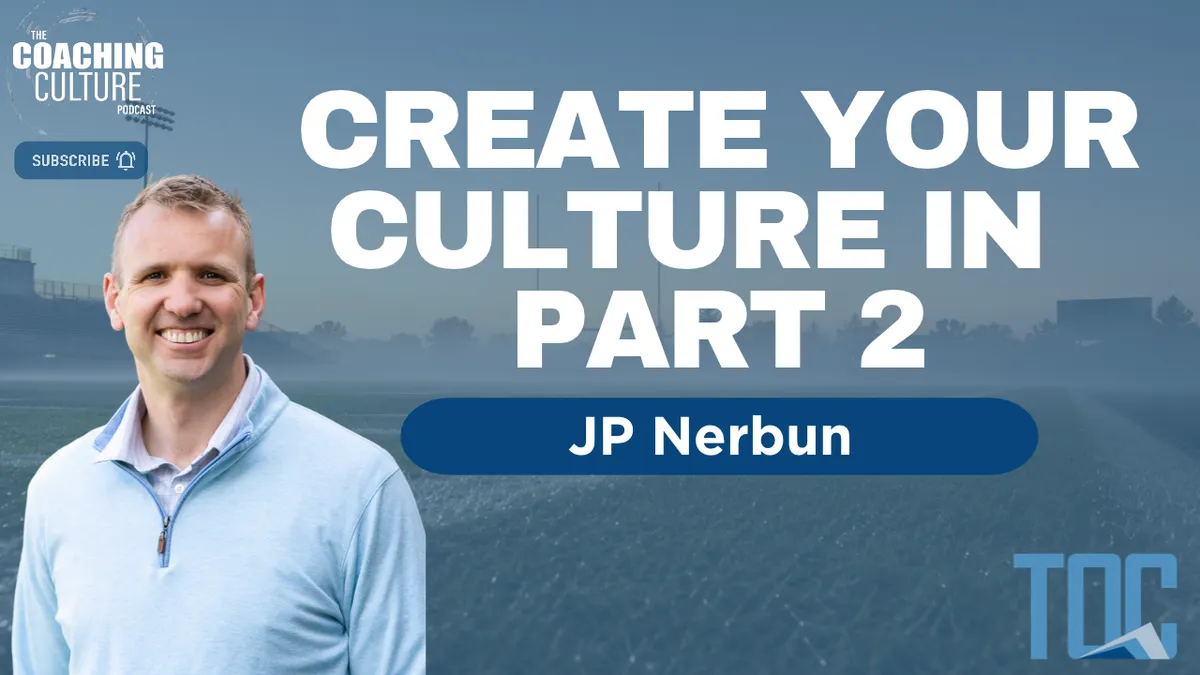
Episode 478: How to Build Team Culture in Practice: 6 Standards That Stick - Copy
Episode 478: How to Build Team Culture in Practice: Why Shorter Practices Keep Players Sharper
Podcast available on: iTunes | Spotify | YouTube
Most of the coaches I talk with already have their values written down. The harder part is what happens at 3:30 on a Tuesday, when practice starts and those values either show up in how the team trains or quietly disappear.
This solo episode finishes JP's practice series. He covers competition without punishment runs, shorter and sharper practices, teaching through questions, letting players speak before coaches, small connection rituals, and the habit of celebrating what improved before chasing what didn't.
If you want your practice plan to do the culture work for you instead of competing with it, give this one your full attention. Almost every idea JP shares in it can be tried at your very next practice, no new equipment or extra time required.
TOC 3-2-1
3 QUOTES WORTH WRITING DOWN
"It's so easy to focus on the gap instead of the gain."
— JP Nerbun
"Don't share what you're thinking. Let's hear what they're thinking first before you share your thinking, because you don't want your thinking to influence their thinking."
— JP Nerbun
"I get to do this; I don't have to do this."
— JP Nerbun
2 QUESTIONS FOR YOUR TEAM
Q1: What did we do well in practice today, and what is the one thing we most need to get better at tomorrow?
Q2: Who on this team deserves a shout-out from today, and what exactly did you see them do?
1 RESOURCE TO GO DEEPER
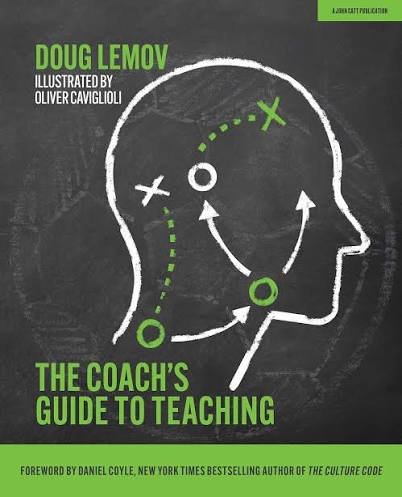
The Coach's Guide to Teaching by Doug Lemov
JP calls it probably the best book on how to teach through your coaching. It is the deeper dive on the open, leading, and closed questions he uses to turn huddles into real learning.
https://www.coachsguidetoteaching.com/
KEY TAKEAWAYS
Make competition the reward, not the punishment. JP grew tired of the loser's run and later found his positive system and team store too extrinsic, so he leaned into the competitive cauldron Anson Dorrance took from Dean Smith. His teams tracked wins and losses in one on ones, small-sided games, and shooting, weighted the categories in a spreadsheet, and used the rankings as a ladder to set matchups. Players compete against others at their level, which keeps every rep challenging without being too hard or too easy.
Shorter practices keep players sharper. As the season goes on, JP wants practice time to move down while intensity stays at game speed. One of his favorite formats is four quarters: four eight-minute blocks on four different things, with a short review between each. Like John Mayer said, finishing early leaves players wanting more and looking forward to the next day.
Ask before you tell. JP uses three kinds of questions in small huddles. Open questions are ones where he genuinely does not know the answer, like what did you notice out there. Leading questions engage players in finding an answer you already have, and closed questions check for understanding, like what did we say we were working on today.
Let players speak first. Before planning tomorrow's practice, pull your captain or leadership group aside and hear their thinking before you share yours. In debriefs, flip the usual order: start with players on what went well and what to improve, then let coaches add one thing, or simply tell the team they nailed it. If your huddle is all coach talk, your practice is not reflecting a player-led culture.
Build connection on purpose. A question of the day, warm-ups in leadership units, or a partner run can all create connection, and you choose based on what your environment needs. When JP saw cliques forming on his daughter's team, he paired players up for a lap to share something fun, something funny, and something about family, and they had one of their best practices of the year. He also works to acknowledge every player on the way in and out, borrowing Gregg Popovich's thank you for letting me coach you.
Celebrate the gain, then pick one thing. Coaches naturally measure the gap between where the team is and where it should be, instead of the gain from where it started. JP's mentor once told him to list 15 things that went well after every practice and game and one thing to improve. Shout-out circles train players to catch each other doing good, and JP points to research suggesting at least three positives for every negative.
ACTION ITEMS FOR LEADERS AND COACHES
FLIP YOUR NEXT DEBRIEF
Open your next huddle by asking players what went well and what to improve, then let coaches add one thing at most.
RUN A FOUR-QUARTER PRACTICE
Plan one practice as four eight-minute blocks on four different things, with a quick review between each.
ASK YOUR CAPTAIN FIRST
Ask your captain what the team needs before you plan tomorrow's practice, and hear them out before you share your plan.
CLOSE WITH FIVE SHOUT-OUTS
End one practice by asking for five specific shout-outs, then name the one thing the team will get better at next.
Get notes and tools at tocculture.com | Join TOC Coach — community, courses, and live coaching | Better Coaches. Better Leaders. Better Culture.
