
Episode 477: How to Build Team Culture in Practice: 6 Standards That Stick
Episode 477: How to Build Team Culture in Practice: 6 Standards That Stick
Podcast available on: iTunes | Spotify | YouTube
Many conversations in our community keep coming back to the same place: practice. Coaches want a culture that holds up under pressure, and more of us are realizing it doesn't get built in a preseason meeting or as a quote on the locker room wall. It gets built in the hours the team is actually together.
This solo episode is JP's practice philosophy, part one. He starts with the coach's own example, then walks through standards as a floor and a ceiling, quick-set reset drills, teaching your training philosophy to players and staff, and using success criteria to keep everyone focused.
If your values live on paper but not yet on the court or field, this episode gives you specific tools you can run at practice this week.
TOC 3-2-1
3 QUOTES WORTH WRITING DOWN
"If you value joy, you better be joyful. If you value curiosity, you better be curious."
— JP Nerbun
"The standard isn't the standard until you've enforced the standard."
— JP Nerbun
"Really, you're not coaching, you're just resetting. And so they start to coach each other."
— JP Nerbun
2 QUESTIONS FOR YOUR TEAM
Q1: When you walk into practice, what does exceptional look like, what is acceptable, and what is unacceptable?
Q2: What was our one focus today, and what is one specific way you got better at it?
1 RESOURCE TO GO DEEPER
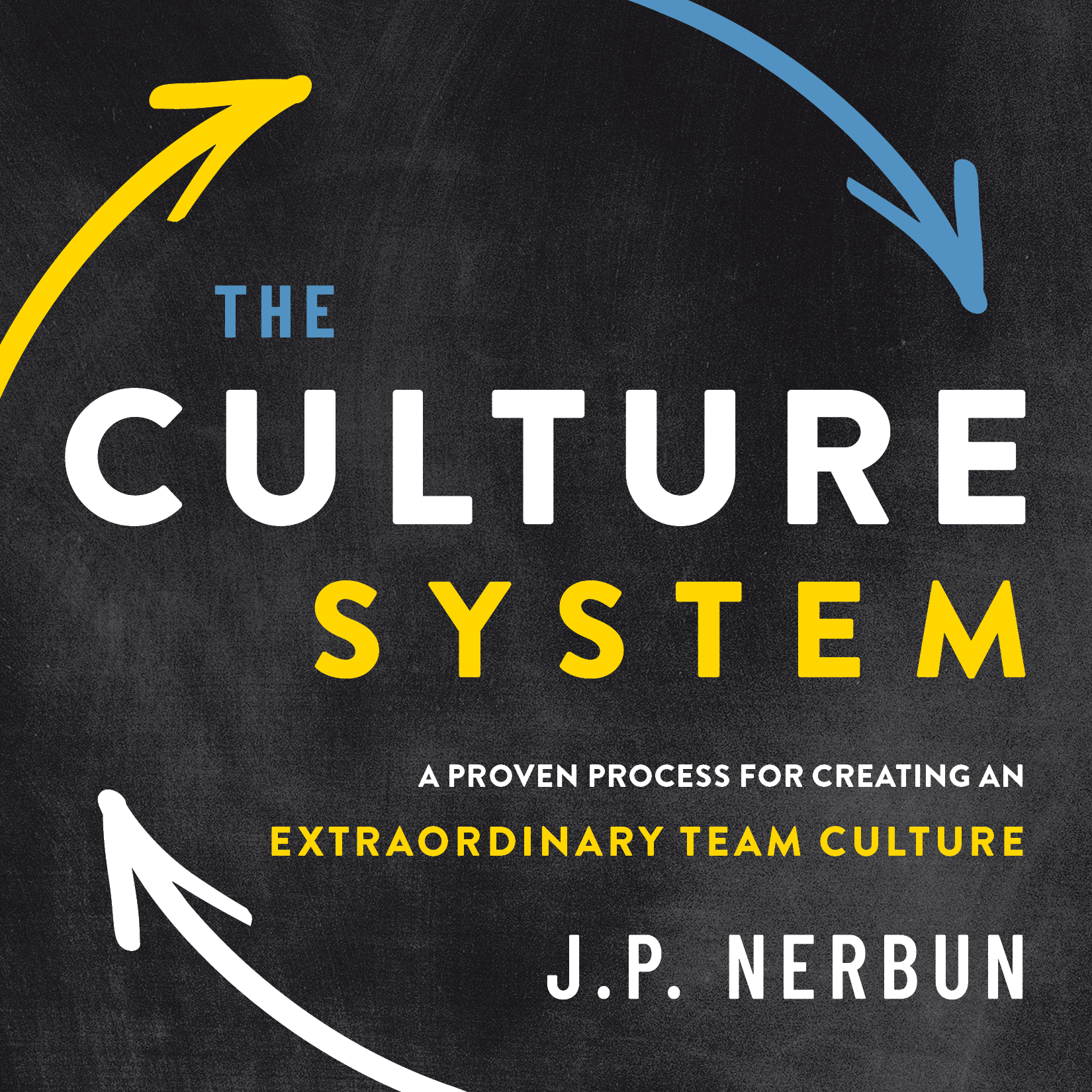
The Culture System by JP Nerbun
JP's book lays out the standard review process he references in this episode, and its bonus chapters cover the before-and-after action reviews he uses to set success criteria for practice.
KEY TAKEAWAYS
Your example comes before any drill. JP's first rule of practice is that nothing else matters if your own example is off. If you value joy, be joyful, and if you value curiosity, meet a missed standard with curiosity before judgment. He once worked with a college team whose players had real empathy for their coach's bad days, but the inconsistency still undermined the environment because they never knew which coach would show up. You will have bad days, so own them and take responsibility for doing better.
Your values should be visible inside practice. Pete Carroll values competition, so his Seahawks practices ran a competitive cauldron that traces back through Anson Dorrance to Dean Smith. Steve Kerr values joy, so Warriors practices have music blaring and games that keep players laughing. Dorrance once replaced North Carolina's casual warm-up laps with an intense, intentional warm-up, then realized his players missed that time together because it was how they connected.
Set the floor, then raise the ceiling together. The floor is a few specific non-negotiables, like be on time, listen, and no blaming, complaining, or being defensive. The ceiling comes from a team manifesto of three to five standards, or from standard reviews that define exceptional, acceptable, and unacceptable for one part of the program, like Texas volleyball's practice standards printed and posted where players see them. And the standard isn't the standard until you have enforced it with logical, progressive consequences.
Reset instead of coach. The quick set is a string of short drills, usually 30 to 90 seconds, each with a couple of clear standards like calling for the ball by name and sprinting to the end of the line. When anyone misses a standard, the coach calls reset and puts another minute on the clock. Over time players start resetting and coaching each other, which builds leadership and lets you keep raising the bar.
Teach players, staff, and parents how you practice. At Patriots training camp, JP saw a team where everyone was trained on how to practice before they took the field. A coach he works with in Ireland laid out his season phases in January, which eased the uncertainty that leads to anxiety and distrust and built buy-in. Bill Walsh went further with his staff: any coach running a new drill walked the other coaches through it first so they could give feedback.
Narrow the focus, then review what you said mattered. A before action review sets the success criteria. Larry Gelwix, whose Highland Rugby teams went 418 and 10, measured success on execution rather than the scoreboard. Review those criteria first after practice or a game, and keep the list short: one thing players will improve at, and maybe one cultural focus.
ACTION ITEMS FOR LEADERS AND COACHES
RUN ONE STANDARD REVIEW
Pick one moment of practice, like arrival or warm-up, and ask your team to define exceptional, acceptable, and unacceptable. Post the answers where they will see them.
TRY A RESET DRILL
Open one practice with a 60-second drill that has two clear standards, and call reset and add time whenever anyone misses one.
NAME ONE FOCUS
Set one improvement focus before practice, then close by asking who got better at it and how.
HAVE A COACH TEACH IT BACK
Ask one assistant who is running a new drill this week to walk you through what it is and why you run it, before they run it with players.
Get notes and tools at tocculture.com | Join TOC Coach — community, courses, and live coaching | Better Coaches. Better Leaders. Better Culture.
